

Piriformis Syndrome
Piriformis Syndrome is a neuromuscular condition that occurs when the piriformis muscle compresses or irritates the sciatic nerve. This muscle, located deep in the buttock, runs from the lower spine to the upper surface of the femur (thigh bone). When irritated, it can lead to pain, numbness, tingling, or weakness in the buttock and down the leg—often mimicking sciatica.
What Causes Piriformis Syndrome?
Piriformis Syndrome may develop for several reasons:
- Repetitive use injuries: Running, cycling, or stair climbing
- Prolonged sitting: Especially on hard surfaces
- Direct trauma: A fall or blunt force to the buttock
- Muscle imbalance or pelvic misalignment: Common after spinal or hip surgeries
While Piriformis Syndrome can occur in athletes, it’s also prevalent in office workers or individuals who sit for extended hours without movement.
What Are the Symptoms?
Symptoms can be gradual or sudden and may include:
- Deep buttock pain on one side, often radiating down the leg
- Burning, tingling, or numbness in the back of the thigh, calf, or foot
- Increased pain after sitting, running, or walking upstairs
- Relief when lying down or changing position
Pain intensity can vary—from mild discomfort to sharp, debilitating episodes. Some patients experience chronic flare-ups lasting months or even years.
How Is Piriformis Syndrome Diagnosed?
Diagnosis is primarily clinical, based on symptom history and physical examination. Your provider may:
- Perform provocative maneuvers to reproduce pain (e.g., FAIR test)
- Evaluate muscle strength, flexibility, and gait
- Order MRI to rule out disc herniation or other spine pathologies
- Use diagnostic ultrasound to visualize the piriformis muscle
- Administer a diagnostic injection under image guidance
What Are the Treatment Options?
Conservative Management
- Physical therapy: Stretching and strengthening exercises for the piriformis, hip, and core muscles
- Activity modification: Avoiding long periods of sitting or crossing legs
- Heat/ice therapy: To reduce inflammation and muscle tension
- Medications: NSAIDs and muscle relaxants for pain control
Advanced Interventional Treatments
- Image-guided steroid injections: Fluoroscopic or ultrasound-guided injection directly into the piriformis muscle to reduce inflammation
- Botulinum toxin injections: May help relax the piriformis muscle in resistant cases. These are used selectively and administered under image guidance by trained professionals.
- Trigger point injections: Used to break chronic pain cycles in the muscle
Regenerative Medicine Options
When conservative treatments fail, PRP therapy or double-spin PRP may offer longer-term relief by promoting healing and reducing inflammation in the muscle and surrounding tissues.
For a deeper look into piriformis syndrome and related nerve pain, you can visit the National Library of Medicine or the Cleveland Clinic’s Piriformis Syndrome resource.
When Is Surgery Considered?
Surgery is rarely needed but may be considered for patients who do not respond to conservative or interventional care after 6–12 months. Piriformis release surgery involves cutting part of the piriformis muscle to decompress the sciatic nerve. Outcomes vary and should be weighed against less invasive options.
Why Choose Dr. Amit Sharma for Piriformis Syndrome Treatment?
At SpinePain Solutions, we specialize in advanced, image-guided diagnostics and treatments for complex pain conditions like Piriformis Syndrome. Dr. Amit Sharma is among the few interventional spine specialists on Long Island offering regenerative therapies, ultrasound-guided piriformis injections, and personalized treatment plans rooted in evidence-based care.
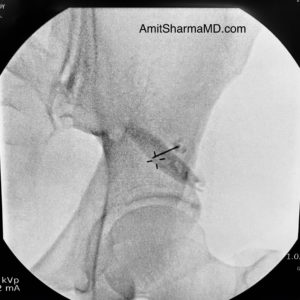
Piriformis injection using image-guided techniques
Frequently Asked Questions
Is Piriformis Syndrome the same as sciatica?
No. Piriformis Syndrome can cause sciatic-like pain, but sciatica is usually caused by a spinal disc or nerve root issue. A proper diagnosis is essential.
How long does recovery take?
Mild cases improve in weeks with physical therapy. More complex cases may require months of ongoing treatment and lifestyle adjustment.
Can it be cured permanently?
Some patients achieve long-term relief through physical therapy, injections, or regenerative care, but recurrence is possible if underlying mechanics aren’t addressed.
Explore more spine and musculoskeletal care topics on our patient resource hub.