
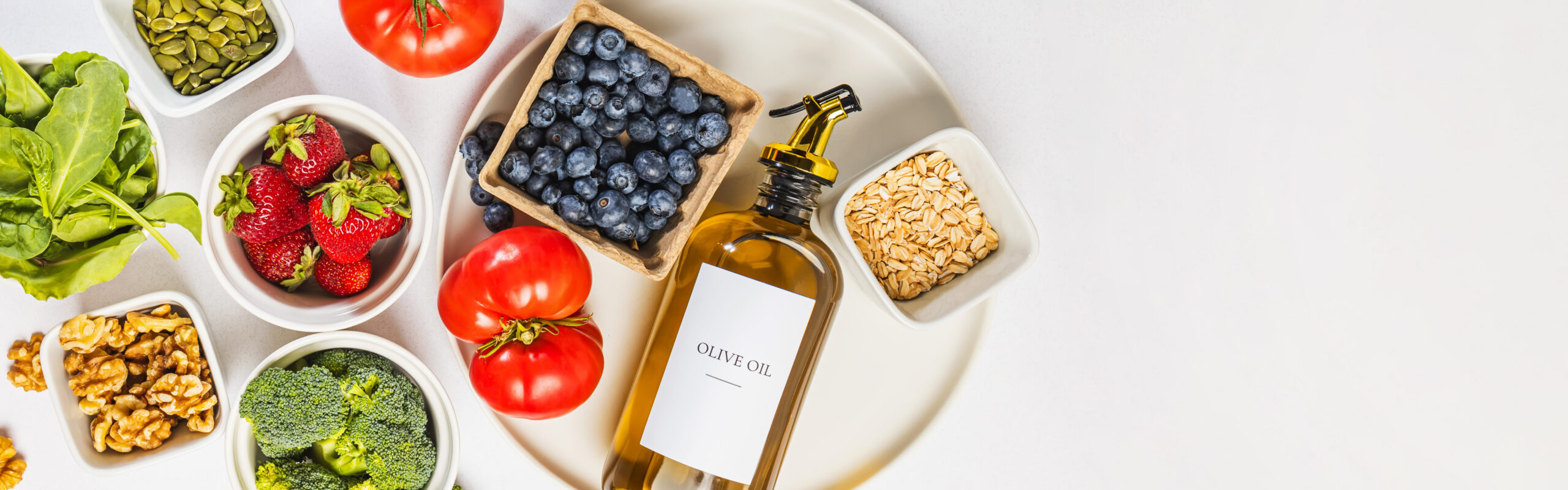
Anti Inflammatory Diet: 13 Proven Foods, Benefits & Full Guide
Anti inflammatory diet is a long-term eating approach designed to reduce chronic inflammation through whole, nutrient-dense foods.
An anti-inflammatory diet is a long-term eating approach designed to reduce chronic inflammation through whole, nutrient-dense foods and minimally processed foods that help reduce chronic, low-grade inflammation. Unlike “quick-fix” diet trends, an anti-inflammatory diet focuses on consistent daily choices—more plants, fiber, and healthy fats, and fewer ultra-processed foods and added sugars.
Research-backed eating patterns like the Mediterranean-style diet are often considered anti inflammatory because they’re linked to improved cardiovascular markers and lower inflammatory signals over time. This landmark guide covers how an anti-inflammatory diet works, what to eat, what to limit, how to start without overwhelm, and how it can support circulation, swelling, nerve symptoms, and recovery.
Anti Inflammatory Diet Basics: What “Inflammation” Actually Means
Inflammation is the immune system’s normal response to injury or infection. Short-term inflammation is protective. The problem is chronic inflammation—a low-grade immune activation that can persist for months or years and is linked to metabolic and cardiovascular risk, joint pain, and other inflammatory conditions.
Diet is one of the strongest daily levers you control. Harvard’s nutrition experts note that anti inflammatory eating patterns emphasize nutrient-dense, fiber-rich, plant-forward foods while limiting the common “Western diet” pattern that’s heavy in refined carbohydrates and ultra-processed foods.
How an Anti Inflammatory Diet Works
An anti-inflammatory diet works through several overlapping mechanisms:
- Less oxidative stress: Plant foods provide antioxidants and polyphenols that help neutralize oxidative stress, a driver of inflammatory signaling.
- Better gut microbiome support: High-fiber diets support beneficial gut microbes, which can influence immune balance and inflammatory output.
- Improved metabolic health: Reducing added sugar and ultra-processed foods can help support healthier blood sugar and weight management—both of which influence inflammation.
- Healthier fats: Replacing refined fats with olive oil, nuts, seeds, and omega-3 sources supports a more favorable inflammatory environment.
Best-Studied Anti Inflammatory Diet Patterns
When people say “anti-inflammatory diet,” they’re often describing a family of evidence-based patterns rather than one strict rulebook. Two of the most studied are:
- Mediterranean-style diet: Emphasizes vegetables, fruits, legumes, whole grains, olive oil, nuts, fish, and herbs/spices. Mayo Clinic highlights its anti-inflammatory properties and cardiovascular benefits.
- DASH-style diet: Emphasizes fruits/vegetables, whole grains, and lower sodium; often used for blood pressure support and overlaps heavily with anti-inflammatory principles. Many “anti-inflammatory” lists look like Mediterranean + DASH hybrids.
The American Heart Association has also discussed Mediterranean-style eating as heart-healthy in part because it can reduce inflammatory markers.
Anti Inflammatory Diet: 13 Proven Foods to Eat More Often
Below are cornerstone foods for an anti-inflammatory diet. You do not need every item every day—think “rotate and repeat.”
Extra-virgin olive oil
Olive oil is a signature fat in Mediterranean-style eating and a foundational swap for refined oils.
Leafy greens
Spinach, kale, arugula, and other greens are repeatedly featured in anti-inflammatory food guidance.
Cruciferous vegetables
Broccoli, cauliflower, Brussels sprouts, and cabbage provide a high-density nutrient profile that supports overall health.
Berries
Berries provide fiber and polyphenols and are commonly cited as anti-inflammatory-friendly fruit choices.
Tomatoes
Tomatoes show up repeatedly in Mediterranean-style anti-inflammatory food lists.
Fatty fish (omega-3 sources)
Salmon, sardines, herring, and mackerel are common anti-inflammatory protein choices.
Legumes
Beans, lentils, and peas provide fiber and plant protein and fit naturally into an anti-inflammatory diet pattern.
Nuts and seeds
Walnuts, chia, flax, pumpkin seeds, and others support healthy fats and fiber intake.
Whole grains
Oats, quinoa, brown rice, and other whole grains support fiber intake, which matters for gut-immune balance.
Fermented foods (as tolerated)
Options like yogurt/kefir or fermented vegetables may support gut diversity for some people. If you have IBS or histamine sensitivity, choose carefully.
Spices and herbs
Using spices like turmeric and ginger can be an easy upgrade for an anti inflammatory diet. NIH’s NCCIH notes turmeric’s common uses and provides safety guidance.
Green tea (unsweetened)
Green tea is often included in anti-inflammatory lifestyle guidance as a lower-sugar beverage choice.
Dark cocoa (in moderation)
Look for lower-sugar options. Treat it as a supporting role, not the main strategy.
Foods to Limit on an Anti Inflammatory Diet
Anti-inflammatory eating is as much about what you reduce as what you add. Harvard Health and other clinical sources commonly call out:
- Ultra-processed foods (packaged snacks, fast food, many frozen meals)
- Added sugars (sweetened drinks, desserts, frequent sugary snacks)
- Refined carbohydrates (white bread/pasta, many baked goods)
- Fried foods
- Highly processed meats
Harvard Health’s inflammation guidance specifically contrasts pro-inflammatory patterns (fried foods, sugary drinks, refined carbohydrates) with anti-inflammatory foods like vegetables, berries, whole grains, and fatty fish.
Anti Inflammatory Diet Benefits That Matter Most
People adopt an anti-inflammatory diet for many reasons. Cleveland Clinic notes reported benefits can include improved energy, better GI comfort, reduced swelling in hands/feet, and improved blood pressure and blood sugar for some individuals.
From a circulation and pain perspective, anti-inflammatory eating is most relevant when symptoms are influenced by metabolic health, vascular inflammation, or systemic inflammatory load.
Useful cross-links if you’re building a complete health plan:
- Walking for circulation
- How to reduce leg swelling
- Circulation vs nerve pain
- Numbness and tingling in legs
Combining an Anti-Inflammatory Diet With Targeted Recovery Support
An anti inflammatory diet is foundational when supporting healing and recovery, but in certain situations—such as after intense exercise, surgery, or periods of high physical stress—additional support may be considered under clinical guidance. Nutrient delivery and antioxidant support can complement lifestyle changes, especially when inflammation, muscle recovery, or tissue repair are priorities.
For example, medical professionals sometimes recommend tailored hydration and nutrient support after strenuous activity or procedures to help maintain fluid balance, support metabolic processes, and optimize recovery pathways. These strategies are supplemental—they do not replace a well-balanced, anti-inflammatory eating pattern, but they may support overall tissue health in specific contexts.
Targeted Support for Recovery (Contextual Overview)
Some recovery solutions focus on nutrients and compounds that are part of normal metabolic and antioxidant systems. Examples of supportive ingredients used in recovery-oriented therapies include:
- Amino blends: Amino acids are the building blocks of protein and play a role in muscle repair and recovery after physical stress.
- Vitamin complex blends: B-vitamins, vitamin C, and other micronutrients support energy metabolism, red blood cell formation, and oxidative balance.
- Glutathione: This naturally occurring antioxidant is important for neutralizing reactive oxygen species and supporting cellular detoxification pathways.
Combining these with a nutrient-dense, anti-inflammatory dietary pattern—rich in antioxidants, healthy fats, and fiber—may offer broader support for recovery processes.
When Additional Support May Be Considered
Consider talking with a clinician if you have:
- Intense training cycles or athletic performance goals that increase oxidative stress and muscle breakdown
- Post-operative recovery needs, where nutrient status and hydration can influence tissue repair
- Persistent discomfort or fatigue that interferes with daily activities or diet adherence
- Underlying medical conditions that affect absorption, metabolism, or nutrient balance
Targeted hydration and nutrient support should always be discussed with your clinician, especially if you take medications such as blood thinners or have cardiovascular, renal, or metabolic conditions. These therapies are adjuncts—not replacements—for diet and lifestyle fundamentals.
Anti Inflammatory Diet for Circulation, Veins, and Swelling
Chronic inflammation can affect blood vessel function and is frequently discussed in the context of cardiovascular risk. Mayo Clinic describes how Mediterranean-style eating supports arteries through antioxidant- and polyphenol-rich foods and healthy fats.
If your goals involve legs and circulation, an anti inflammatory diet pairs especially well with movement. Start here: walking for circulation.
If swelling is a major symptom, use the diet as a support strategy—not the only tool. Review: leg swelling causes and how to reduce leg swelling.
Anti-Inflammatory Diet for Nerve Pain and “Pins-and-Needles”
Nerve symptoms can have many causes (metabolic, nutritional, mechanical, vascular). An anti inflammatory diet may support overall nerve health indirectly by improving blood sugar control, supporting nutrient intake, and reducing inflammatory load—especially when paired with movement and proper evaluation.
If symptoms include burning, numbness, tingling, or nighttime discomfort, start with:
How to Start an Anti Inflammatory Diet Without Getting Overwhelmed
Most people fail by trying to change everything on Day 1. Harvard Health recommends a gradual switch away from ultra-processed foods and toward whole, unprocessed foods.
Step 1: Upgrade your “default plate”
A simple anti-inflammatory plate structure:
- ½ plate vegetables
- ¼ plate protein (fish, legumes, lean poultry, eggs)
- ¼ plate fiber-rich carbs (beans or whole grains)
- + healthy fat (olive oil, nuts, seeds, avocado)
Step 2: Change one meal first
Pick breakfast or lunch. Keep dinner flexible. This reduces friction and increases adherence.
Step 3: Make “easy swaps” automatic
- Olive oil instead of refined oil
- Fruit + nuts instead of packaged sweets
- Beans/lentils 2–4 times per week
- Fish 1–2 times per week (if you eat seafood)
Landmark Anti-Inflammatory Food List
Use this as your core shopping list for an anti-inflammatory diet:
Vegetables
- Leafy greens, broccoli/cauliflower, peppers, onions/garlic, mushrooms
Fruits
- Berries, cherries, citrus (as tolerated), apples
Proteins
- Salmon/sardines, eggs, lentils/beans, lean poultry, tofu/tempeh
Carbs & fiber
- Oats, quinoa, brown rice, whole-grain bread (short ingredient list)
Fats
- Extra-virgin olive oil, walnuts, chia/flax, avocado
Flavor boosters
- Turmeric, ginger, cinnamon, cumin, black pepper, fresh herbs
Sample “Day of Eating” on an Anti-Inflammatory Diet
Breakfast
Greek yogurt (or non-dairy alternative) + berries + walnuts + cinnamon, or oats with chia/flax and berries.
Lunch
Big salad bowl: greens + lentils + chopped veggies + olive oil + lemon + herbs, with a side of fruit.
Snack
Apple + nut butter, or carrots + hummus.
Dinner
Salmon (or tofu/beans) + roasted vegetables + quinoa or brown rice, finished with olive oil and herbs.
Supplements on an Anti Inflammatory Diet: What to Know
Most people get the biggest results from food pattern changes, not supplements. If you do consider supplements, safety and interactions matter.
Turmeric/curcumin
Turmeric is widely used, but NIH’s NCCIH emphasizes reviewing safety and product quality. If you take blood thinners or have upcoming procedures, talk with your clinician before using concentrated curcumin supplements. Food-based turmeric (used in cooking) is generally lower dose than supplements and is often a safer place to start.
Omega-3s
If you don’t eat fish, omega-3 supplementation may be considered, but discuss with a clinician if you take anticoagulants or have bleeding risk.
Alcohol, “Clean Eating,” and Other Common Confusions
An anti-inflammatory diet does not require perfection. It requires a pattern. If 80–90% of your choices are anti-inflammatory, many people see meaningful benefit over time.
Alcohol is a frequent question. Mediterranean-style patterns sometimes include wine, but many experts increasingly emphasize non-alcohol approaches for risk reduction. If you drink, keep it minimal and discuss personal risk with your clinician.
Anti-Inflammatory Diet and Bloom Infusions & Wellness
Diet is foundational, but some patients explore supportive wellness options—especially when recovery, hydration, or nutrient repletion are goals. Learn more about recovery support at Bloom Infusions & Wellness recovery solutions.
Recovery & Healing Support
Nutrition and lifestyle are the foundation of recovery, but some people benefit from additional support during periods of high physical stress, athletic training, or post-procedure healing.
Bloom Infusions & Wellness offers clinician-guided recovery solutions designed to support hydration, nutrient replenishment, muscle recovery, and antioxidant balance as part of a broader wellness plan.
Evidence-Based Resources on the Anti Inflammatory Diet
The anti-inflammatory diet is supported by major medical organizations and academic research:
-
- Harvard Health – Foods that fight inflammation
- Mayo Clinic – Anti-inflammatory diet overview
- Cleveland Clinic – What is an anti-inflammatory diet?
When an Anti-Inflammatory Diet Is Not Enough
Diet can support health, but it cannot replace evaluation for red-flag symptoms. Seek medical care promptly if you have:
- Sudden one-sided leg swelling, redness, warmth, or severe pain
- Chest pain or shortness of breath
- New weakness, foot drop, or loss of bladder/bowel control
- Non-healing wounds or significant color changes in the feet
If you’re sorting symptoms, these guides help:
Dr. Amit Sharma & our minimally invasive pain & spine team.
FAQ
How long does an anti inflammatory diet take to work?
Some people notice changes in energy, bloating, or joint discomfort within a few weeks, but meaningful cardiometabolic changes typically require consistent adherence over months.
Is an anti inflammatory diet the same as the Mediterranean diet?
They overlap heavily. Mediterranean-style eating is one of the most studied anti-inflammatory patterns and emphasizes olive oil, plants, and fish.
Do I have to eliminate gluten or dairy?
Not necessarily. Some people feel better with targeted eliminations, but a true anti-inflammatory diet is primarily about food quality and pattern. If you suspect intolerance, consider a time-limited trial with clinician or dietitian guidance.
Can an anti inflammatory diet help leg swelling?
It may support swelling indirectly by improving metabolic health and reducing inflammatory load, especially when paired with movement and compression strategies. For a direct plan, see how to reduce leg swelling and walking for circulation.
Dr. Amit Sharma & our minimally invasive pain & spine team.
Medical note: This content is for educational purposes and is not a substitute for professional medical advice, diagnosis, or treatment.