Venous Insufficiency: 7 Critical Signs & Causes
Venous insufficiency happens when the veins in your legs struggle to move blood back to the heart efficiently. Over time, blood can pool in the lower legs, contributing to swelling, heaviness, skin changes, and discomfort. When symptoms persist or progress, it’s often called chronic venous insufficiency.
If you’re sorting out whether symptoms are coming from veins, arteries, or nerves, you may find these helpful: leg swelling causes and leg pain at night.
What Is Venous Insufficiency?
Veins contain one-way valves that help keep blood moving upward against gravity. In venous insufficiency, those valves can weaken or become damaged, allowing blood to flow backward (reflux) and pool in the legs. This can increase pressure in the veins and surrounding tissues.
A patient-friendly overview from the U.S. National Library of Medicine (MedlinePlus) explains common symptoms, causes, and evaluation.
Clinicians may also describe this as venous insufficiency (chronic) (peripheral) when emphasizing long-term, leg-based (peripheral) vein reflux.
Venous Insufficiency vs Chronic Venous Insufficiency
Chronic venous insufficiency is a longer-term form of venous disease where valve dysfunction and vein pressure persist, leading to recurring or progressive symptoms. Some people experience mild symptoms for years, while others develop more significant swelling, skin changes, or venous ulcers.
If you’re comparing vein-related symptoms to other issues, this guide can help: circulation pain vs nerve pain.
7 Critical Signs of Venous Insufficiency
Symptoms often worsen with prolonged standing or sitting and improve with leg elevation. Here are seven signs commonly associated with venous insufficiency and chronic venous insufficiency:
-
Leg swelling (especially around the ankles)
Swelling that builds throughout the day and improves overnight can be a classic clue. If swelling is one-sided, sudden, or painful, seek medical evaluation promptly. Related read: common causes of leg swelling.
-
Aching, heaviness, or “tired legs”
Many people describe a dull ache, heaviness, pressure, or fatigue in the legs—often worse after standing and better with elevation.
-
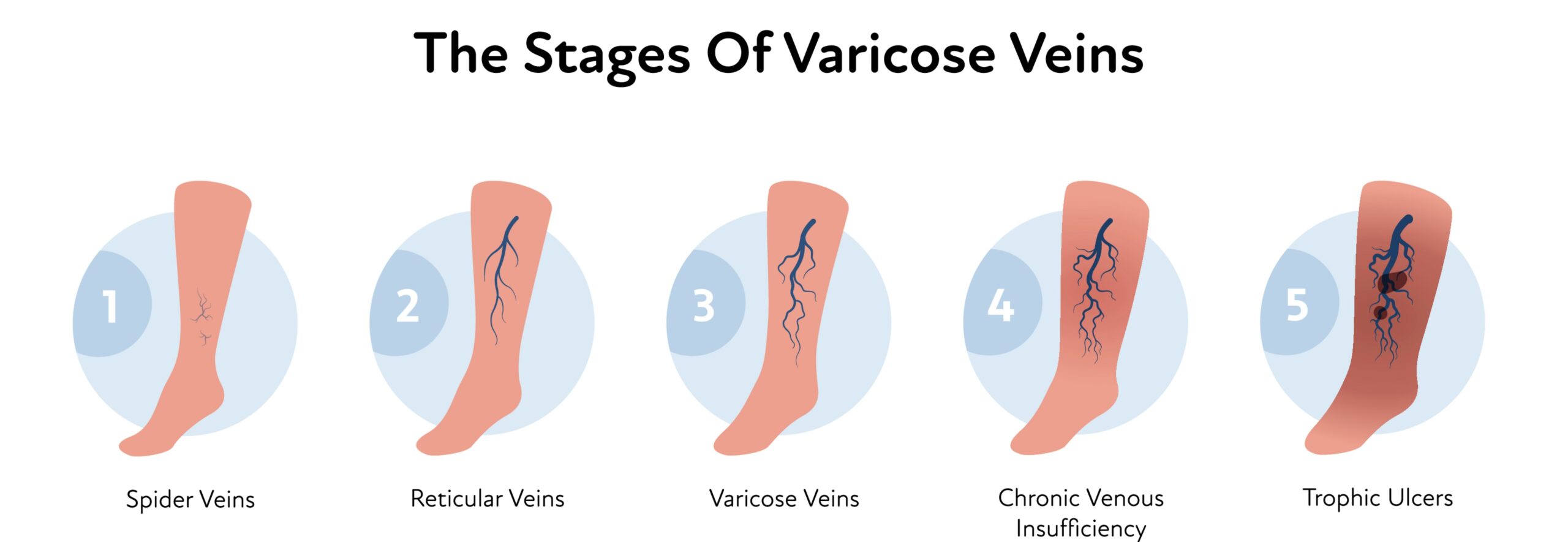
Varicose veins or visible vein changes
Enlarged, twisted veins can appear at the surface and may be associated with reflux. The American Heart Association discusses varicose veins and related symptoms.
-
Itching, burning, or skin irritation
Increased venous pressure can affect the skin, causing itching, irritation, or a burning sensation—especially around the ankles.
-
Skin discoloration near the ankles (brownish or reddish)
Chronic pooling can lead to pigment changes (often brownish discoloration). These changes can be an early warning sign of chronic venous insufficiency.
-
Thickened or hardened skin (lipodermatosclerosis)
In more advanced cases, skin and tissue may become firm or tight from long-standing inflammation and pressure changes. If you’re noticing persistent tenderness with skin changes, it’s worth getting evaluated.
-
Slow-healing sores or ulcers near the ankles
Venous ulcers commonly appear near the inner ankle and may be slow to heal without proper treatment.
The NHLBI’s overview of vein disease includes warning signs and when to seek care.
Common Causes & Risk Factors
Venous insufficiency typically develops from valve dysfunction, vein wall weakness, or persistent pressure in the leg veins. Risk factors that can contribute to venous insufficiency (chronic) (peripheral) include:
- Family history of varicose veins or venous disease
- Pregnancy (hormonal changes and increased pressure)
- Prolonged standing or sitting
- Prior blood clot (can damage valves)
- Older age
- Obesity
- History of leg injury or surgery
If you spend long hours seated, consider adding simple movement breaks. See: walking for circulation.
How Venous Insufficiency Is Diagnosed
Diagnosis often includes a history of symptoms (swelling/heaviness), a physical exam, and imaging to evaluate reflux and vein structure. The most common test is:
- Duplex ultrasound: evaluates blood flow and checks for valve reflux or obstruction.
A general clinical overview from Cleveland Clinic explains typical symptoms, evaluation, and treatment options for chronic venous insufficiency.
Conventional Treatments for Chronic Venous Insufficiency
Treatment depends on severity, anatomy, and symptom impact. Many plans combine daily habits with compression and—when appropriate—procedures.
Compression therapy
Graduated compression socks can help reduce swelling and improve symptoms by supporting upward blood flow. Compression type and strength should be chosen based on your needs and medical guidance.
Leg elevation & movement
- Elevate legs above heart level when possible
- Take short walking breaks if you sit/stand for long periods
- Calf strengthening and ankle mobility can support venous return
Procedures (when indicated)
- Endovenous ablation (laser or radiofrequency)
- Sclerotherapy (for select veins)
- Phlebectomy (removal of varicose vein segments)
- Other interventions based on ultrasound findings
For an additional clinical perspective, see the Mayo Clinic treatment overview for vein disease.
Natural & Integrative Approaches
Integrative support can complement a clinician-guided plan for venous insufficiency by supporting daily circulation habits, tissue health, and mobility. These strategies do not replace medical evaluation—especially if you have skin changes or ulcers.
Daily circulation habits
- Walk in short intervals throughout the day (especially after long sitting)
- Use calf pumps/ankle circles for 1–2 minutes, several times per day
- Avoid long periods of immobility when possible
Weight, nutrition, and inflammation
Supporting a healthy weight and reducing inflammatory load can ease venous pressure and symptom burden for some people. Related reads: anti-inflammatory diet basics and reduce inflammation naturally.
Skin care (especially with chronic venous insufficiency)
Gentle moisturization and avoiding skin injury matter more as symptoms progress. If you have discoloration, itching, or thickening skin, ask your clinician about a preventive skin-care routine.
Supplements (discuss with your clinician)
Some supplements are marketed for vein support, but quality and drug interactions vary. If you take blood thinners, have clotting history, or are planning a procedure, discuss supplements with your clinician first.
Can Venous Insufficiency Be Reversed?
Venous insufficiency can often be managed, and symptoms may improve with compression, movement, elevation, and targeted procedures when needed. In chronic venous insufficiency, valve changes may persist, but many people achieve significant symptom relief and reduce complications with consistent treatment.
If your main concern is swelling and heaviness, you may also like: how to reduce leg swelling.
When to See a Doctor
Seek evaluation if you have persistent leg swelling, heaviness, skin discoloration near the ankles, or visible varicose veins with discomfort. Get urgent care if you experience:
- Sudden one-sided swelling, redness, warmth, or severe calf pain
- New shortness of breath or chest pain
- Rapidly worsening skin changes or a new/open sore
- Fever or drainage from an ulcer
If you’re preparing for an appointment, you can use our checklist: questions to ask your vein doctor.
FAQ
What does “venous insufficiency (chronic) (peripheral)” mean?
It’s a descriptive way of saying chronic venous insufficiency affecting the peripheral veins—most commonly the leg veins—where valve reflux leads to pooling and increased vein pressure over time.
Is venous insufficiency the same as varicose veins?
They’re related but not identical. Varicose veins are visible enlarged veins; venous insufficiency describes impaired vein valve function and reflux, which can contribute to varicose veins and symptoms like swelling and heaviness.
Do compression socks help chronic venous insufficiency?
Compression can reduce swelling and improve symptoms for many people with chronic venous insufficiency. The best type and strength depends on your symptoms, anatomy, and medical guidance.