
Medial Branch Neurectomy: 5 Proven Reasons It Beats RFA
Medial Branch Neurectomy is transforming how spine specialists treat chronic neck and back pain caused by arthritic facet joints. This advanced, minimally invasive procedure targets the root cause of your discomfort with greater precision and durability than traditional methods like Radiofrequency Ablation (RFA). For patients seeking meaningful, long-term relief, Medial Branch Neurectomy represents a breakthrough solution.
What Is Medial Branch Neurectomy?
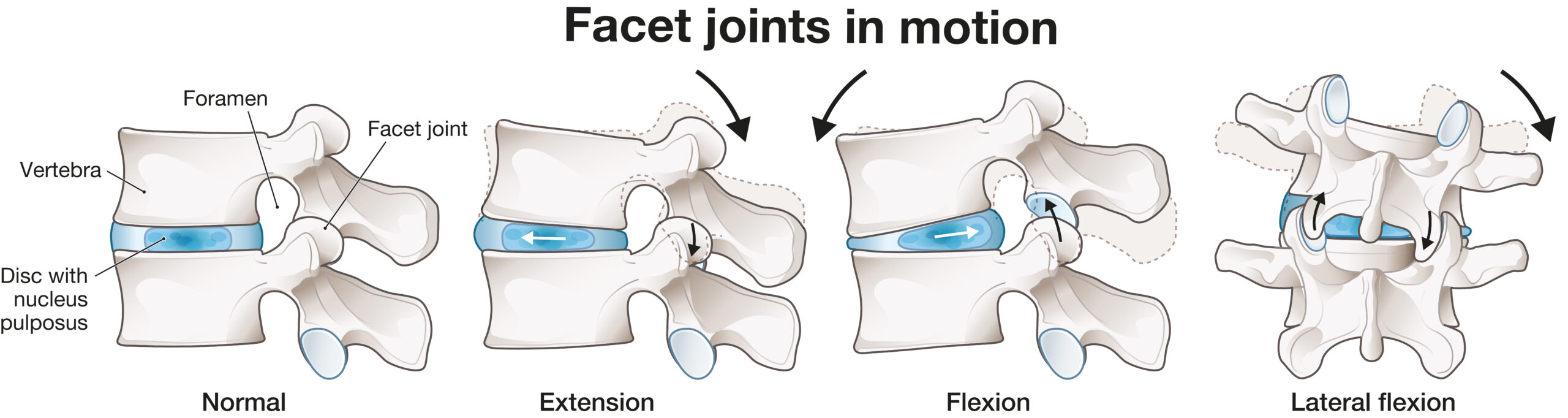
Medial Branch Neurectomy is a specialized procedure designed to interrupt the pain signals traveling through the small medial branch nerves that feed into the facet joints of the spine. These nerves are responsible for transmitting the pain of arthritic or degenerated facet joints, commonly leading to chronic neck or back pain.
This procedure combines precise nerve transection techniques with facet joint debulking, offering patients a dual-action approach that provides longer-lasting results than RFA alone.
How Is Medial Branch Neurectomy Performed?
At SpinePain Solutions, we use advanced imaging and state-of-the-art tools to perform this procedure safely and effectively:
- Under fluoroscopic (X-ray) guidance, a tiny incision is made to access the targeted facet joint and medial branch nerve.
- Dilators create a pathway to the joint with precision, minimizing tissue trauma.
- A specialized trephine removes bone overgrowth (facet hypertrophy), relieving mechanical stress on the nerve.
- A bipolar electrode safely transects the medial branch nerve, preventing it from transmitting pain signals.
- The instruments are removed, and the incision is closed with minimal sutures.
This procedure typically takes 30-60 minutes and is performed under light sedation. Recovery is fast, with most patients resuming light activities within days.
Why Medial Branch Neurectomy Is Better Than RFA
While Radiofrequency Ablation (RFA) has been a longstanding treatment for facet joint pain, Medial Branch Neurectomy offers distinct advantages:
1️⃣ Permanent Nerve Disruption
Unlike RFA, which temporarily heats and damages the nerve, Medial Branch Neurectomy physically transects the nerve. This disruption significantly reduces the likelihood of nerve regeneration, providing longer-lasting pain relief.
2️⃣ Addresses Both Nerve and Joint
Facet debulking addresses mechanical causes of pain by removing hypertrophic bone or osteophytes compressing the nerve—a benefit RFA cannot offer.
3️⃣ Superior Longevity of Results
Studies suggest that nerve transection combined with joint debulking can achieve relief lasting 12-24 months or longer, compared to 6-12 months for RFA in most cases.
4️⃣ Reduced Need for Repeat Procedures
With RFA, patients often require repeat treatments as nerves regenerate. Medial Branch Neurectomy’s approach dramatically reduces this necessity, saving time and healthcare costs long-term.
5️⃣ Enhanced Outcomes in Complex Cases
Patients with significant joint degeneration or failed prior RFA often achieve better outcomes with this procedure, making it ideal for complex or recurrent pain cases.
Benefits of Combining Medial Branch Neurectomy with Facet Debulking
Facet debulking is not just cosmetic—it removes physical obstructions that perpetuate pain, allowing:
- Improved joint mobility
- Reduction of localized inflammation
- Decreased risk of future nerve entrapment
This dual approach enhances both symptom relief and spine function, promoting a healthier long-term outcome.
Comparing Medial Branch Neurectomy to RFA: Outcomes & Longevity
| Feature | Medial Branch Neurectomy | Radiofrequency Ablation (RFA) |
|---|---|---|
| Mechanism | Transection & Debulking | Thermal Nerve Coagulation |
| Effect on Nerve | Physical disruption, less regrowth | Temporary damage, regrowth common |
| Duration of Relief | 12-24+ months | 6-12 months |
| Need for Repeat | Less frequent | Routine re-treatments needed |
| Addresses Bone Spurs | Yes | No |
Who Is an Ideal Candidate for Medial Branch Neurectomy?
This procedure is recommended for patients who:
- Have confirmed facet joint pain through diagnostic medial branch blocks
- Experience chronic neck, mid-back, or low-back pain unresponsive to conservative care
- Have failed previous RFA or conservative treatments
- Show imaging evidence of facet joint hypertrophy or arthritis
What to Expect After Medial Branch Neurectomy
Patients typically experience:
- Return to light activity within 2-5 days
- Progressive relief over 6-12 weeks
- Substantial reduction in pain medication reliance
- Improved participation in physical therapy and exercise programs
Results often exceed expectations, offering a life-changing improvement in function and quality of life.
Why Choose SpinePain Solutions for Medial Branch Neurectomy?
At SpinePain Solutions, our expertise in interventional spine care ensures precision diagnosis and treatment planning. We utilize cutting-edge tools, including the latest bipolar technology and imaging guidance, to maximize patient outcomes while minimizing risk.
Our reputation for excellence in spine care is reflected through our affiliations with Good Samaritan University Hospital and our leadership in advancing non-surgical pain solutions.
External Resources for Further Reading
Internal Resources to Explore
- Back Pain Resources at AmitSharmaMD.com
- Neck Pain Education from Dr. Amit Sharma
- Interventional Spine Services
Conclusion: Medial Branch Neurectomy Delivers Long-Term Results
For patients struggling with persistent facet joint pain, Medial Branch Neurectomy represents a significant advancement beyond traditional RFA. Its ability to address both the nerve and the mechanical source of pain makes it a superior option for lasting relief, enhanced mobility, and a better quality of life.
Contact SpinePain Solutions today to schedule a consultation and learn if this groundbreaking procedure is right for you.