
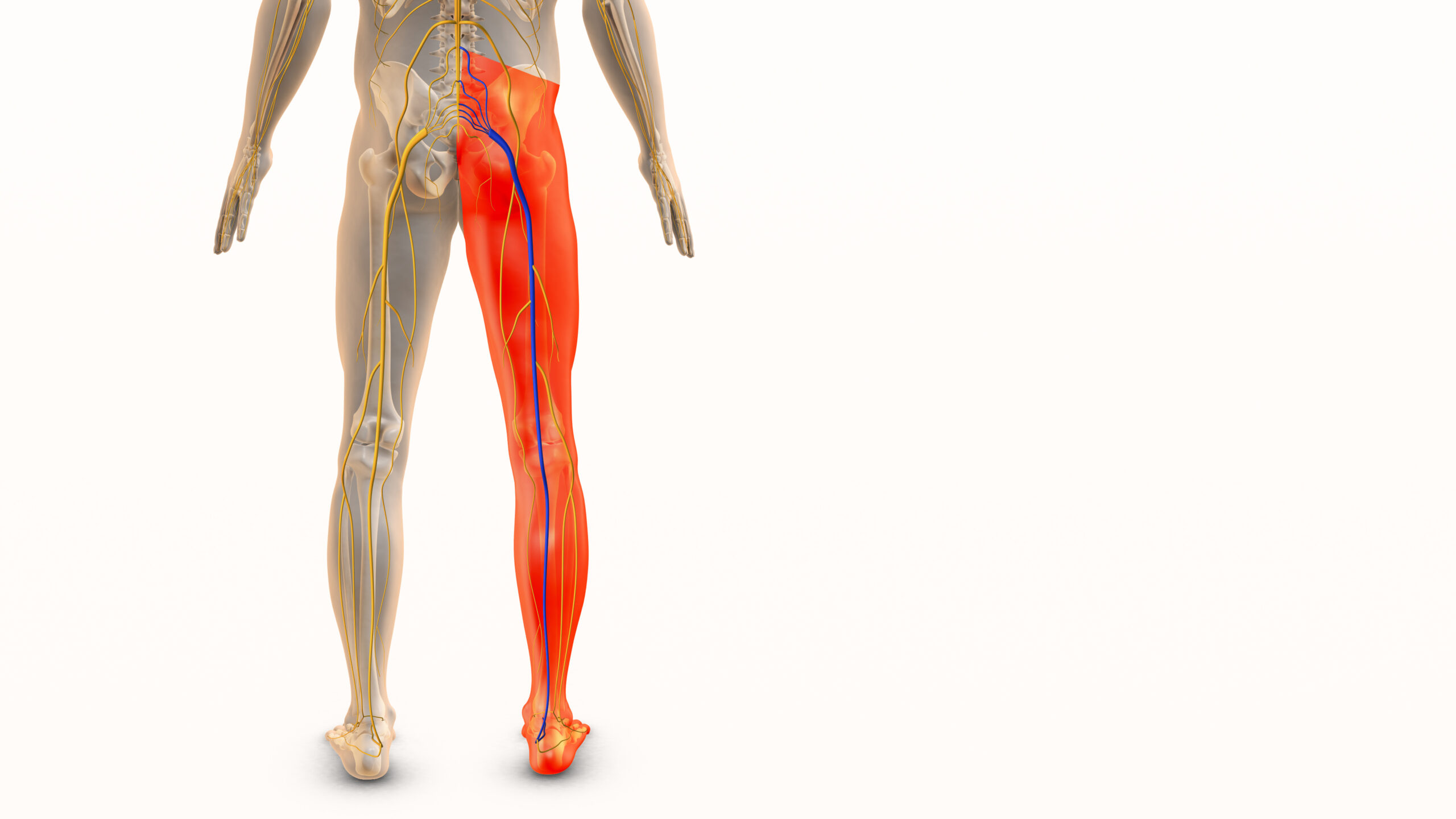
Sciatica Pain: 7 Proven Ways to Understand and Relieve It
Sciatica Pain can feel alarming—especially when it shoots down the leg, burns, tingles, or makes simple activities like sitting and driving uncomfortable. It’s also one of the most commonly misunderstood phrases in healthcare. People often use it to describe “any leg pain,” but true sciatica follows a recognizable pattern and usually points to a specific group of causes.
This guide is written for non-medical readers who want clarity. We’ll walk through what Sciatica Pain means, what typically causes it, how doctors confirm where the pain is coming from, how it differs from other conditions, and what treatments are most likely to help—without hype or fear.
or less common nerve conditions. Choose the description that feels closest to what
you’re experiencing.
⚡ Sciatica (Shooting or Burning Leg Pain)
🧠 Radicular Pain (Pinched Nerve)
👣 Walking-Related Leg Pain (Claudication)
🍑 Sciatica vs Piriformis Syndrome
irritated nerves. Pain that predictably starts with walking and improves with rest or
sitting may suggest a circulation or spine-related walking problem.
Sciatica Pain: What It Really Means
Sciatica Pain is a symptom pattern—leg pain caused by irritation of the sciatic nerve or (more commonly) the nerve roots that form the sciatic nerve. The sciatic nerve is the largest nerve in the body. It begins in the lower spine, passes through the buttock, and travels down the back of the thigh. Branches continue into the lower leg and foot.
Because it’s nerve-related, Sciatica Pain often feels different from a muscle strain or joint ache. Many people describe it as sharp, electric, burning, or “zapping.” Others notice tingling, numbness, or weakness along with the pain.
One important point: Sciatica Pain is a label for how pain behaves—not the final diagnosis. The real clinical question is: “What is irritating the nerve?”
For a deeper overview of the condition itself, see: Sciatica.
7 Practical Clues That Help You Understand Sciatica Pain
Here are seven “real-world” clues that clinicians use to make sense of Sciatica Pain. You don’t need medical training to notice these patterns—and they often explain more than a scan report.
1) Sciatica Pain usually follows a pathway
Nerve pain tends to travel. Sciatica Pain often begins in the lower back or buttock and then runs down the thigh, sometimes reaching the calf, ankle, or foot. Pain that stays only in the knee or only in the shin can still be nerve-related, but the overall pattern matters.
2) The sensation often feels “nerve-like”
Many people use words like burning, shooting, electric, tingling, pins-and-needles, or numb. Achy soreness can happen too, but pure muscle soreness without any nerve-type sensation is less classic.
3) Sitting can be a major trigger
For many, Sciatica Pain worsens with sitting—especially in a slumped posture. This doesn’t mean sitting is “bad,” but it’s a helpful diagnostic clue that points toward certain causes (like disc irritation) more than others.
4) Coughing or sneezing can spike symptoms
A sudden increase in pressure (like coughing or sneezing) can temporarily worsen Sciatica Pain in some people, particularly when a disc problem is part of the story.
5) One leg is often worse
Sciatica Pain commonly affects one side. That doesn’t mean both sides are impossible, but clearly one-sided symptoms often guide the diagnosis.
6) Some movements reliably “light it up”
Bending forward, lifting, twisting, or prolonged sitting can flare symptoms for some people. Others feel worse with standing or walking. Your pattern helps your clinician sort whether the nerve is being irritated by a disc, narrowing around the nerves, or another structure.
7) Weakness is a different category
If Sciatica Pain comes with noticeable weakness—like foot drop, trouble lifting the toes, or the leg giving out—that changes urgency and next steps. Pain alone is common; progressive weakness needs timely evaluation.
Common Causes of Sciatica Pain
Sciatica Pain has a short list of common causes and a long list of uncommon causes. The good news is that most cases fall into the common bucket—and most improve with appropriate care.
Disc herniation or disc irritation
A disc is a cushion between the spinal bones. If the disc bulges or herniates, it can irritate a nearby nerve root. This is one of the most familiar causes of Sciatica Pain, especially when symptoms worsen with sitting, bending, or lifting.
Reputable overviews: Mayo Clinic – Herniated disk and AAOS – Herniated disk in the lower back.
Spinal stenosis and nerve crowding
Spinal stenosis means narrowing around the nerves. Some people with stenosis have back pain; others mainly feel leg symptoms. Stenosis can produce Sciatica Pain, but it can also produce a different pattern called “neurogenic claudication,” where walking/standing triggers heaviness or pain and sitting helps.
If walking intolerance is a major feature, see: Claudication.
Spondylolisthesis (vertebra slippage)
When one vertebra shifts relative to another, it can narrow space around the nerves. Some people notice Sciatica Pain with standing or activity. Others mainly have low back symptoms.
Inflammation around a nerve root
Sometimes nerve pain is driven as much by inflammation and sensitivity as by pure “compression.” This matters because treatment decisions aren’t only about “how big the bulge is” on an MRI. Symptoms, function, and exam findings matter more.
Sciatica Pain vs Piriformis Syndrome
Many people are told they have “piriformis syndrome” when they really have Sciatica Pain from the spine—or vice versa. Piriformis syndrome is typically described as irritation of the sciatic nerve near the buttock, where it passes close to the piriformis muscle.
Clues that push clinicians toward piriformis-type patterns include buttock-dominant pain, tenderness in the deep buttock region, and symptoms that worsen with certain hip positions. Clues that push toward spine-related Sciatica Pain include clear back-to-leg radiation, pain triggered by bending/lifting, and neurologic findings (like reflex or strength changes) that match a nerve root.
For a clear side-by-side breakdown, read: Sciatica vs Piriformis Syndrome.
Sciatica Pain vs Radiculopathy
“Radiculopathy” is a medical term meaning nerve root irritation. Sciatica Pain is often a form of radiculopathy involving the nerve roots that contribute to the sciatic nerve. In other words: sciatica is a commonly used label; radiculopathy is the clinical descriptor.
If you want a deeper clinical explanation (still patient-friendly), see: Radiculopathy.
Sciatica Pain vs Claudication
Not all leg pain with walking is Sciatica Pain. Claudication is a term that describes exertional leg symptoms. There are two major types: vascular claudication (blood flow limitation) and neurogenic claudication (nerve crowding in spinal stenosis).
Here’s a simple way to think about it:
Sciatica Pain often follows a nerve path and can flare with sitting. Claudication (especially vascular) is more commonly cramping with walking that improves by stopping. Neurogenic claudication may improve when sitting or bending forward.
How Doctors Confirm Where Sciatica Pain Is Coming From
The most common mistake people make with Sciatica Pain is assuming that a single test gives “the answer.” In reality, doctors combine your story, a physical exam, and targeted testing (when needed) to confirm where symptoms originate.
The symptom story (history)
Clinicians listen for triggers, relief patterns, and symptom distribution. They also ask about red flags like unexplained weight loss, fever, cancer history, or bowel/bladder changes.
The physical exam
Exams often check strength, reflexes, sensation, and provocative maneuvers that reproduce Sciatica Pain. The goal is not to “prove you have pain,” but to map which nerve pathway is involved and whether there are objective neurologic deficits.
Why imaging can mislead
MRIs commonly show disc bulges, arthritis, or “degeneration,” even in people who feel fine. This is why doctors should never diagnose Sciatica Pain from the MRI alone. The scan must match the symptom pattern.
For trustworthy education, see the NIH overview: NINDS – Sciatica.
When MRI is helpful
MRI can be valuable when symptoms persist despite conservative care, when there’s progressive weakness, or when clinicians need to plan procedures. The purpose is to confirm the suspected cause of Sciatica Pain—not to search randomly for “something abnormal.”
When other tests matter
If the pattern is exertional and crampy, clinicians may pursue vascular testing rather than spine imaging. If symptoms suggest a nerve issue outside the usual root patterns, rare mimics may be considered.
One less common but important mimic is lumbar plexopathy, which can produce significant thigh/leg symptoms. Learn more here: Lumbar Plexopathy.
What to Do at Home When Sciatica Pain Flares
Sciatica Pain is often scary because it can be intense and unpredictable. The goal at home is to reduce irritation, keep you moving safely, and avoid the “panic loop” that makes nerves more sensitive.
Use positions that calm symptoms
Some people feel better lying on their back with knees supported by pillows. Others feel better on their side with a pillow between the knees. If sitting worsens Sciatica Pain, try brief standing breaks and avoid deep slumping.
Keep movement gentle and frequent
Complete bed rest usually backfires. Short walks, frequent position changes, and gentle range-of-motion work are often better than staying still all day.
Heat or ice—whichever helps
Some people prefer heat to relax muscle tension around the back and hips. Others prefer ice during acute flares. The “best” choice is the one that reduces symptoms and helps you move more comfortably.
Know what not to do
Avoid aggressive stretching into sharp pain, especially early. “Pushing through” Sciatica Pain can amplify symptoms. Gentle is the theme.
Professional Treatment Options for Sciatica Pain
Most cases of Sciatica Pain improve without surgery. Treatment is usually aimed at decreasing nerve irritation, restoring mobility, and improving strength and tolerance for daily activity.
Physical therapy
Physical therapy can help many people with Sciatica Pain by improving mobility, core and hip strength, and movement strategies. Therapy should be individualized. If a specific motion consistently worsens symptoms, therapists often modify activities and gradually reintroduce movement as sensitivity decreases.
Medication strategies
Depending on your situation, clinicians may use anti-inflammatory medications, short-term pain relief options, or medicines aimed at nerve sensitivity. The best plan: minimal medication necessary to help you move and sleep, paired with active recovery strategies.
Targeted injections
In some cases, epidural steroid injections are considered to reduce inflammation around an irritated nerve root. Injections are not “magic,” but they can help certain patients break out of severe flares and participate in rehabilitation.
When surgery is considered
Surgery is usually reserved for situations where Sciatica Pain is associated with progressive neurologic deficits (like worsening weakness), severe persistent pain despite conservative care, or specific structural problems where surgery is clearly beneficial. The decision is individualized and based on the full clinical picture, not fear.
For additional reputable reading, the Mayo Clinic’s sciatica page is a helpful overview: Mayo Clinic – Sciatica.
How Long Does Sciatica Pain Last?
Many episodes of Sciatica Pain improve within a few weeks. Some take longer, especially if symptoms have been present for months or if there are contributing factors like poor sleep, high stress, deconditioning, or ongoing mechanical irritation.
It’s common for symptoms to fluctuate. Improvement is often “two steps forward, one step back.” The meaningful signal is whether your baseline function and tolerance are gradually improving over time.
If your symptoms are not improving, or if your walking tolerance is dropping week by week, it’s time for a structured evaluation to confirm the diagnosis and rule out important mimics.
Sciatica Pain: When to Seek Urgent Care
Most Sciatica Pain is not an emergency. But certain symptoms require urgent evaluation.
- New or worsening weakness, especially foot drop
- Loss of bowel or bladder control
- Numbness in the groin/saddle region
- Severe, rapidly worsening pain with fever or unexplained weight loss
- Sudden cold/pale foot or severe swelling/redness (possible vascular emergency or clot)
Not sure if your symptoms are truly Sciatica Pain?
A structured evaluation can help confirm whether your leg symptoms are coming from the spine, hip, nerves, or another source—and guide the safest next steps.
Sciatica Pain FAQs
Is Sciatica Pain the same as “a pinched nerve”?
Often yes in casual language. Clinically, Sciatica Pain commonly comes from irritation of a nerve root in the lower back. The key is confirming the symptom pattern and matching it to exam findings.
Can Sciatica Pain happen without back pain?
Yes. Some people mainly feel leg symptoms. Back pain may be minimal or absent, which is one reason Sciatica Pain is sometimes mistaken for a leg injury.
Does an MRI prove Sciatica Pain?
No. MRI shows anatomy, not pain. Many people have disc bulges without symptoms. Sciatica Pain is confirmed when the imaging findings match the clinical pattern and exam.
How do I know if it’s piriformis syndrome instead?
Piriformis-type patterns often center in the buttock and can be triggered by certain hip positions. Spine-related Sciatica Pain more often maps to a nerve root pattern and may worsen with bending or sitting. See Sciatica vs Piriformis Syndrome.
When is Sciatica Pain considered urgent?
If you have progressive weakness, bowel/bladder changes, saddle numbness, fever, or severe sudden leg symptoms (especially with swelling or a cold foot), seek urgent evaluation.