
Meralgia Paresthetica: 7 Powerful Treatments for Relief
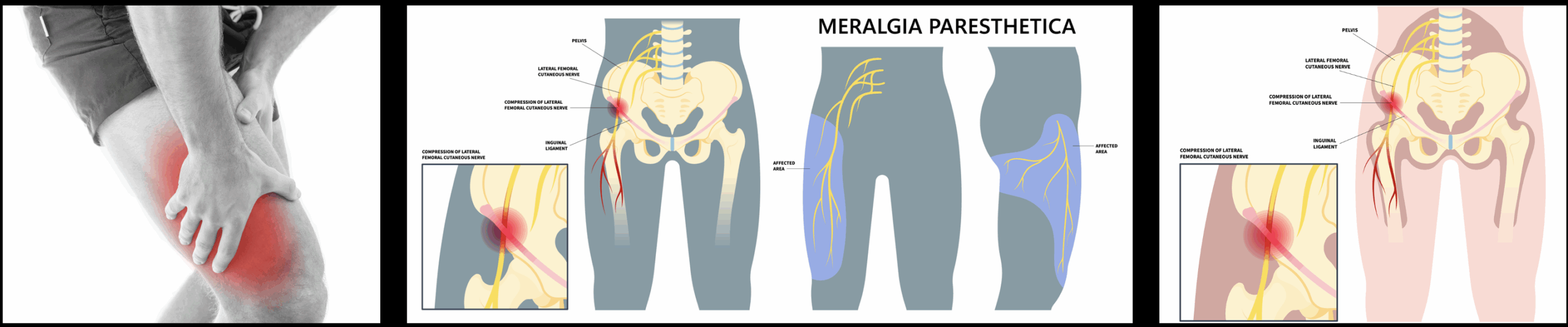
Meralgia paresthetica is a neuropathic condition caused by compression or entrapment of the lateral femoral cutaneous nerve (LFCN). The condition is thus, also known as lateral femoral cutaneous neuropathy. This purely sensory nerve passes under the inguinal ligament near the anterior superior iliac spine (ASIS). When compressed, it leads to burning pain, tingling, and numbness over the anterolateral thigh. Although motor function remains intact, chronic symptoms can significantly affect quality of life.
Understanding the Pathophysiology
The LFCN originates from the lumbar plexus (L2-L3) and travels through narrow anatomical spaces, making it vulnerable to entrapment. Increased intra-abdominal pressure, mechanical compression, or metabolic factors can impair nerve conduction, leading to paresthesia and neuropathic pain localized to the nerve’s sensory distribution.
Causes and Risk Factors
Common causes include tight clothing, obesity, pregnancy, post-surgical complications, prolonged standing, poor posture, and diabetes. In rare cases, pelvic masses may compress the nerve, requiring imaging for evaluation. According to the Mayo Clinic, addressing these factors is key to prevention.
Clinical Presentation and Natural History
Patients typically report unilateral burning pain, numbness, or tingling over the outer thigh, worsened by walking or standing. Without treatment, symptoms may progress to chronic neuropathic pain, limiting mobility and daily function.
Differential Diagnosis
It’s essential to differentiate meralgia paresthetica from lumbar radiculopathy, trochanteric bursitis, CRPS, and femoral neuropathy through detailed clinical assessment and diagnostic testing.
Diagnostic Work-Up
Diagnosis includes physical examination (Tinel’s sign), nerve conduction studies, ultrasound or MRI for structural causes, and diagnostic nerve blocks to confirm LFCN involvement.
Comprehensive Treatment Approaches
While lifestyle modifications are first-line, persistent cases benefit from:
- Nerve Blocks: Short-term relief and diagnostic confirmation.
- Radiofrequency Ablation (RFA): Long-term relief for chronic cases.
- Cryoneurolysis: Temporary nerve disruption with repeatable outcomes.
- Pulsed Radiofrequency (PRF): Non-destructive pain modulation.
- Surgical Decompression: Last resort for refractory symptoms.
Prognosis and Long-Term Management
Most patients improve with early intervention. Long-term success depends on managing risk factors such as weight, posture, and metabolic health. Ergonomic adjustments and regular physical activity reduce recurrence.
Conclusion
Meralgia paresthetica is highly manageable with accurate diagnosis and personalized treatment. For advanced care, contact Dr. Amit Sharma today.
Frequently Asked Questions
What is meralgia paresthetica?
A condition where compression of the lateral femoral cutaneous nerve causes numbness, tingling, or burning pain in the outer thigh.
How is meralgia paresthetica confirmed?
Through clinical assessment, nerve conduction studies, imaging, and diagnostic nerve blocks.
How effective are treatments like RFA or cryoneurolysis?
These treatments offer significant relief, with RFA lasting up to a year and cryoneurolysis providing temporary but repeatable benefits.
References
Explore detailed studies via this NIH article on meralgia paresthetica.