Endoscopic Discectomy: 7 Life-Changing Benefits Today
- Posted on: Jul 12 2025
What Is Endoscopic Discectomy?
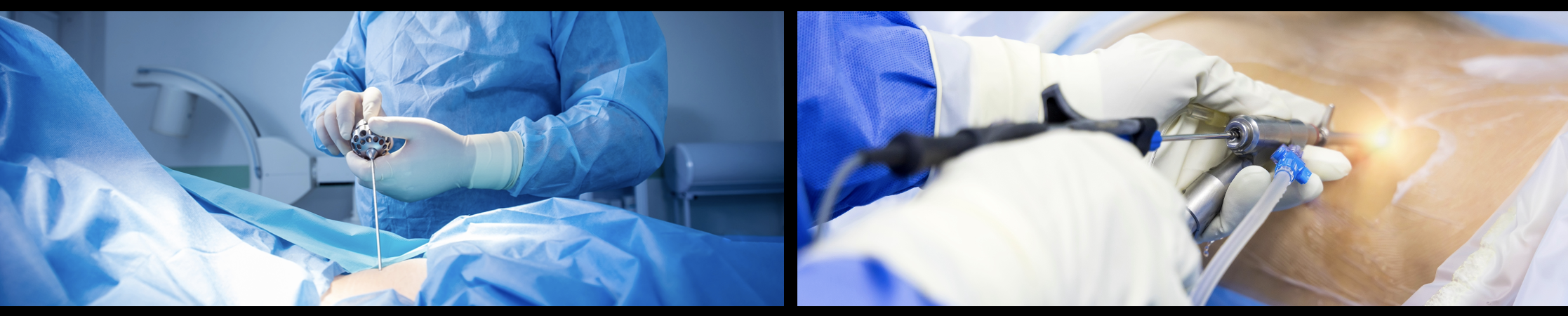
Endoscopic Discectomy is a procedure where a small tube with a high-definition camera (endoscope) is inserted through a tiny incision (5–8 mm). Surgeons use specialized instruments to remove disc material or bone spurs compressing spinal nerves. Unlike traditional open surgeries that cut through muscle and tissue, this technique allows for direct visualization with minimal disruption.
Effectiveness in Sciatica and Radiculopathy
For patients with radicular pain from a herniated disc, the evidence supporting Endoscopic Discectomy is robust:
- A systematic review in the Journal of Spine Surgery found an average 85% improvement in leg pain and 65% improvement in back pain.
- Clinical success rates exceed 90% for transforaminal procedures, with most patients walking the same day and returning to work in under two weeks.
- Compared to open microdiscectomy, patients report less opioid use and better early mobility.
New Study Shows Lower Readmission Rates
A matched cohort study in The Spine Journal compared 908 endoscopic spine surgeries with over 73,000 traditional cases:
- 30-day hospital readmission rate: 1.1% for Endoscopic Discectomy vs. 4.5% for open surgery.
- Statistically significant reduction (OR 0.28; p<0.001), with no increase in revision procedures.
- Patients also experienced shorter length of stay, fewer wound complications, and faster recovery.
7 Life-Changing Benefits of Endoscopic Discectomy
- Minimally Invasive: Small incision means less tissue damage and faster healing.
- Rapid Recovery: Most patients return to work and daily life within 1–2 weeks.
- Reduced Pain: Less need for narcotics, fewer inflammatory reactions.
- Outpatient Surgery: Many procedures done with local anesthesia and same-day discharge.
- Low Complication Rates: Dural tears, infection, or nerve injury are rare (<2%).
- Lower Healthcare Costs: Fewer readmissions and shorter stays reduce total spend.
- High Satisfaction: 85–95% report excellent or good outcomes, especially with targeted patient selection.
Risks and Limitations
As with any surgery, risks exist. Fortunately, they’re relatively low:
- Requires surgeon expertise: Steep learning curve and precise instrumentation.
- Not ideal for all patients: Calcified discs, instability, or large central stenosis may require open approaches.
- Rare complications: These include dural tears, nerve irritation, or infection—usually manageable with conservative care.
Who Is a Good Candidate?
You may be a strong candidate for Endoscopic Discectomy if you:
- Have persistent sciatica or radicular pain from a contained disc herniation.
- Prefer a less invasive option with fast recovery and fewer side effects.
At SpinePain Solutions, we offer tailored evaluation—including advanced imaging, physical exam, and candidacy discussion—to help you make an informed decision.
Ready to Explore Minimally Invasive Spine Relief?
Don’t wait to reclaim your mobility. Schedule a consultation to see if Endoscopic Discectomy is right for you. Our team at SpinePain Solutions will guide you every step of the way.
Frequently Asked Questions About Endoscopic Discectomy
Is Endoscopic Discectomy painful?
No, the procedure is typically performed under local anesthesia with sedation or light general anesthesia. Most patients report mild discomfort and are able to walk within hours after surgery.
How long is the recovery from Endoscopic Discectomy?
Recovery is significantly faster than traditional surgery. Most patients resume normal activities in 1–2 weeks and experience full benefits within 4–6 weeks.
Is Endoscopic Discectomy covered by insurance?
Yes, most commercial insurance plans and Medicare cover the procedure if medically indicated. We can help verify your coverage before scheduling.
Can Endoscopic Discectomy treat spinal stenosis?
Yes, especially in cases of foraminal or lateral recess stenosis from moderate to large size disc herniations. In spinal stenosis cases arising from a combination of disc herniation and ligamentum flavum thickening, endoscopic decompression is often performed alongside discectomy to relieve nerve root pressure.
What are the risks of Endoscopic Discectomy?
Though rare, risks include dural tears, transient nerve irritation, or need for revision. These are less frequent than with open spine surgery.
Conclusion
Endoscopic Discectomy remains a cornerstone of modern, minimally invasive spine care. With faster recovery, reduced risks, and new evidence supporting lower readmissions, it continues to offer patients real hope for lasting relief. If you’re ready to take the next step, contact SpinePain Solutions today.
Tagged with: disc herniation, endoscopic discectomy, Sciatica
Posted in: News, Special Report